Imagine reaching the end of a research project with every report delivered, yet knowing that its greatest possibilities remain unrealised. The individual contributions are there, but the connections between them are weak. Researchers have coordinated their tasks without fully learning from one another. What will remain when the project ends?
This deliberately uncomfortable possibility opened PANTHEON’s second Reflexivity Workshop. Organised by the WP5 team of Dr Tadeusz Rudek, Arkadiusz Szlaga and Krzysztof Olszowski, with support from Prof. Aleksandra Wagner, the session invited colleagues to examine how they work together and how that collaboration shapes the science they produce.
The workshop presentation followed a purposeful journey: imagine what could go wrong, revisit experience recorded in reflexive diaries, and identify practices that could help PANTHEON fulfil its ambitions.
For broader context, PANTHEON explores pathways towards carbon neutrality that consider climate, environmental, health and socio-economic consequences together. Running from March 2024 to February 2028, it combines modelling with participation and mutual learning. The project’s official description identifies funding from the EU’s Horizon Europe programme and the Chinese Ministry of Science and Technology. This background comes from the project website and European Commission project record, rather than from the workshop’s findings.
That ambition makes collaboration a scientific question in its own right. Connecting models also requires people to understand one another’s assumptions, recognise dependencies and make space for different forms of expertise.
The opening exercise made the stakes tangible. Its fictional “Nightmare PANTHEON” had delivered on paper while remaining fragmented in practice. Learning happened only occasionally, and the project left little shared infrastructure or reusable knowledge behind. This was a provocation for discussion, not an assessment of PANTHEON’s performance.
Groups had ten minutes to explore what might have caused that imagined outcome. Starting with a possible failure encouraged attention to problems that can otherwise seem routine: missed interactions, disconnected work packages or integration postponed until deadlines approach. Each can affect whether separate contributions become a coherent research endeavour.
The presentation then returned to actual experience through reflexive diaries, in a segment introduced under Krzysztof Olszowski’s name. These records offered a view of the project from within, tracing early hopes and concerns alongside difficulties encountered and lessons learned.
Later diary material documented learning as well as persistent challenges. Even familiar words needed attention. Looking back brought further lessons into view. Here, reflexivity means examining how research practices and assumptions influence what a team can learn, then using that understanding to adjust its work. For PANTHEON, this matters because disciplinary and international diversity creates possibilities that require deliberate effort to realise.
The workshop therefore emphasised a shared understanding of the project’s purpose, responsibilities and connections. Researchers can retain different perspectives while understanding how their contributions fit together. Trust and the confidence to ask questions are essential to that process, especially when uncertainty or disagreement needs to become visible.
The final group exercise moved from reflection towards implementation. Over 35 minutes, participants were asked to consider learning across work packages, knowledge exchange between Europe and China, and the capabilities their own teams should develop.
Amsterdam: connecting reflection with the next phase
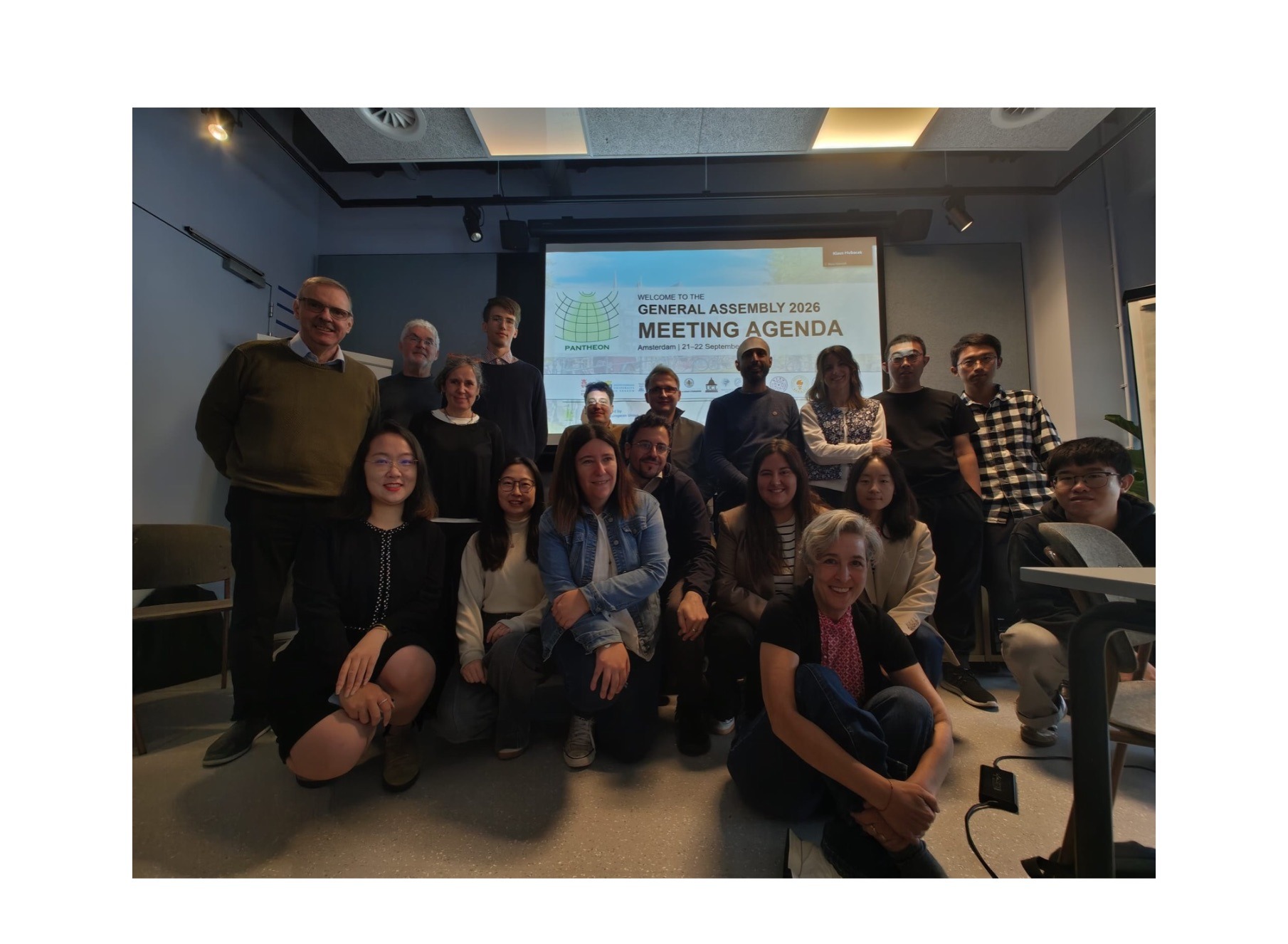
The workshop formed part of PANTHEON’s General Assembly in Amsterdam on 21–22 September 2026. The programme centred its first day on scenario development and integration across work packages, including links between scenario outputs, emissions estimation and impact assessment. It also scheduled updates from Chinese partners working in WP1 and WP4. The second day allocated two sessions to integrating contributions and preparing next steps towards submission of a Nature Perspective paper, followed by the Reflexivity Workshop.
The closing programme included WP5’s proposal for Knowledge Arenas and discussion of future collaboration, action items and deadlines.
- All
- Filter Item 1
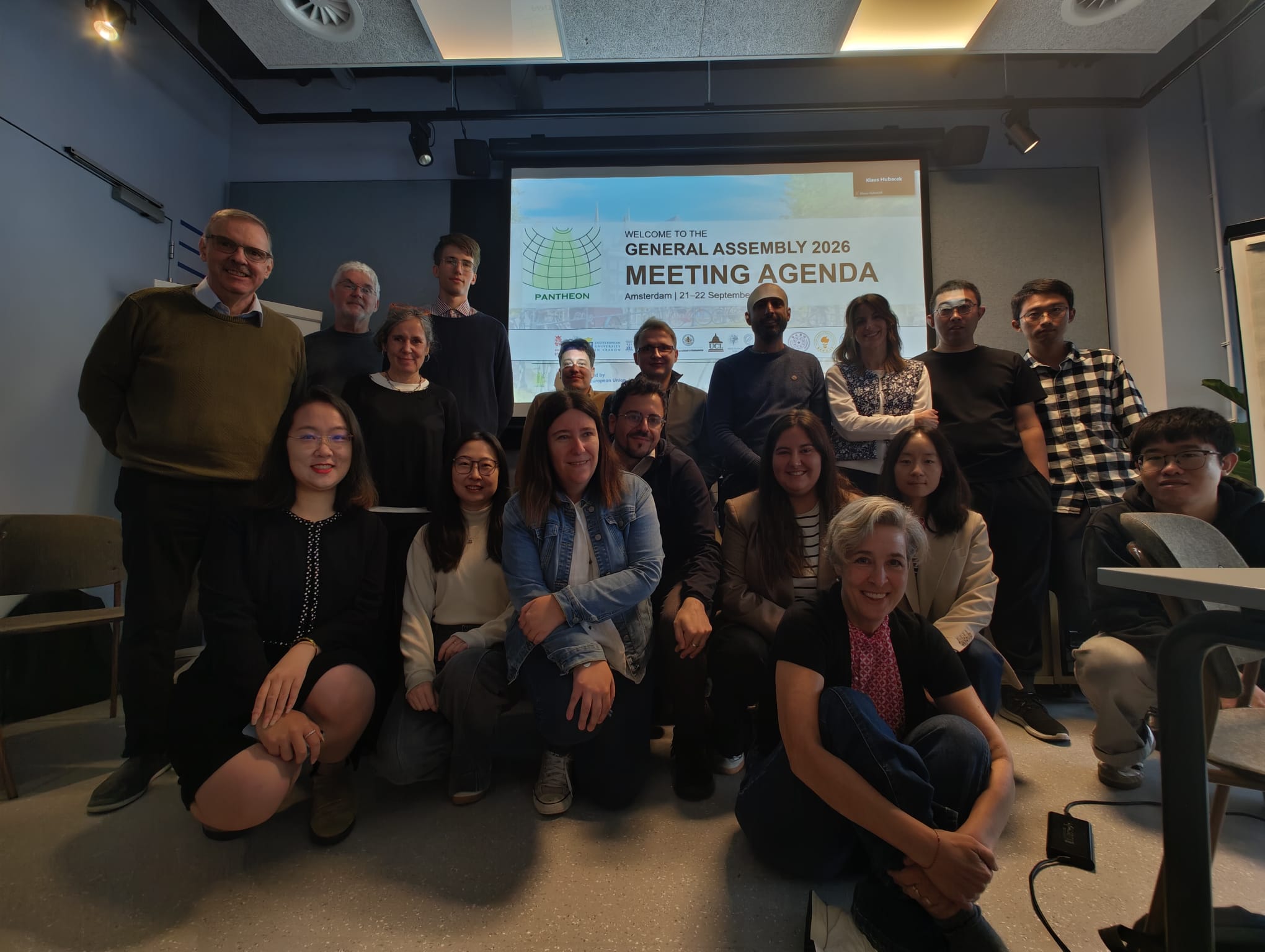
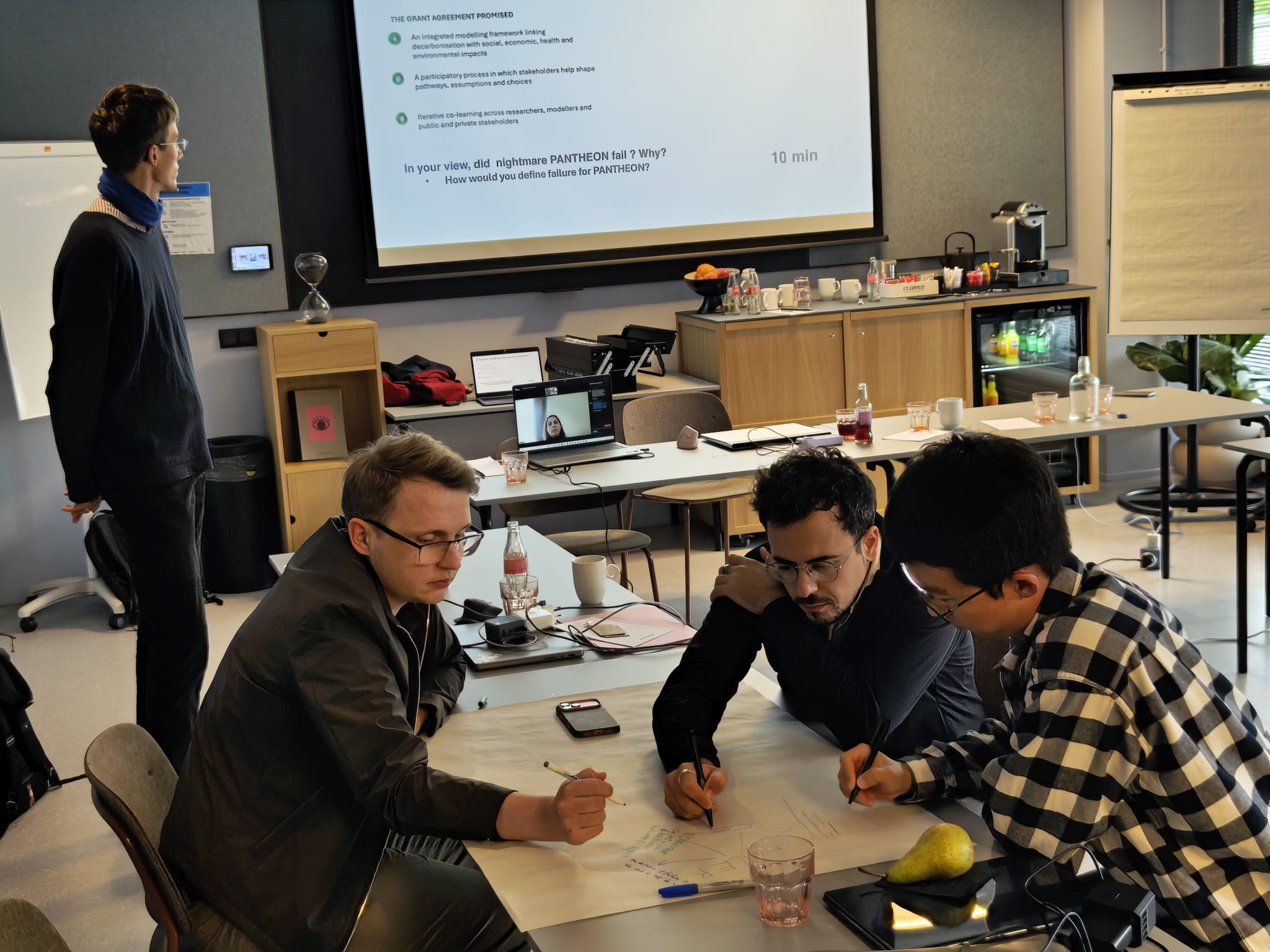
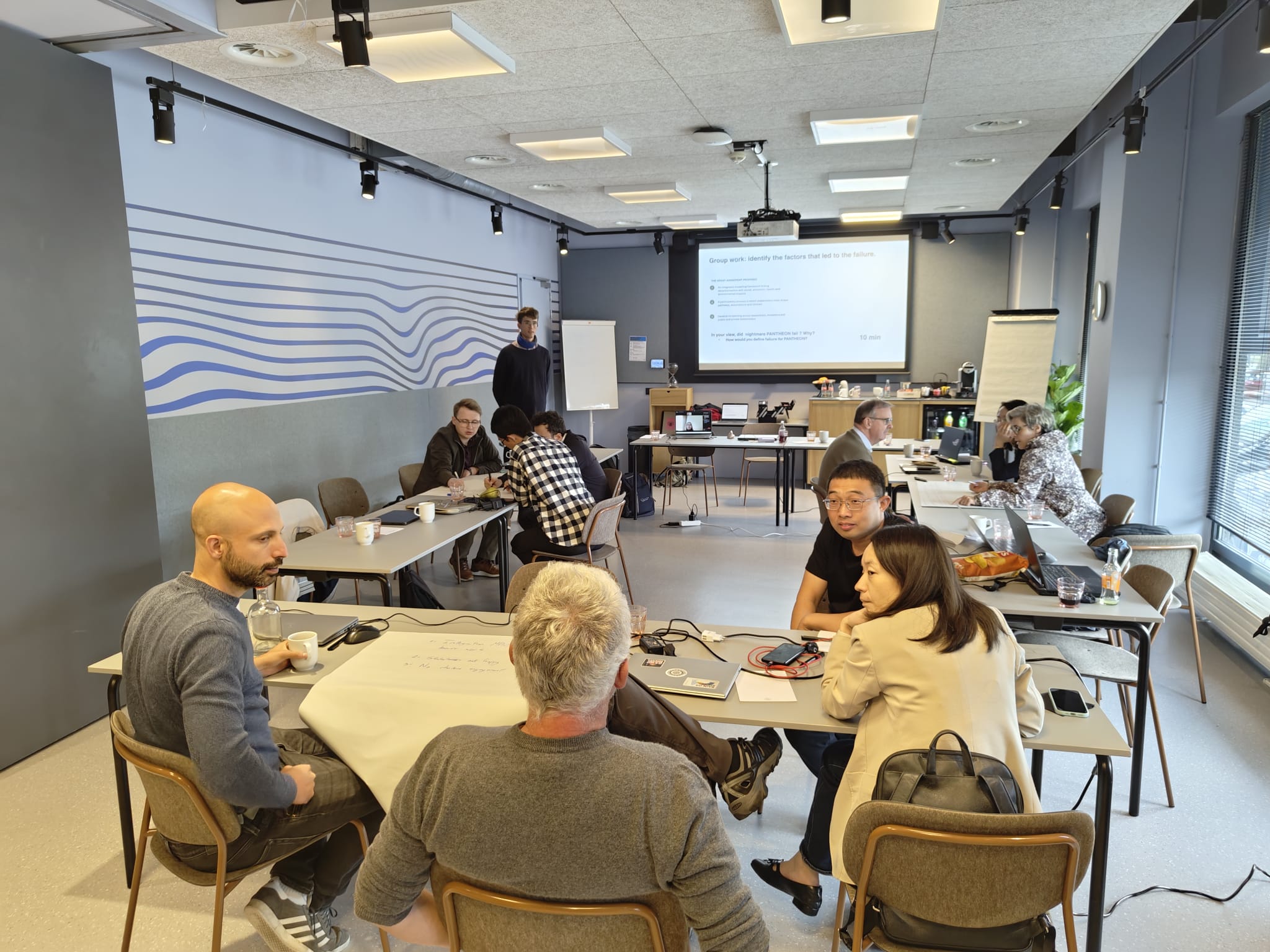
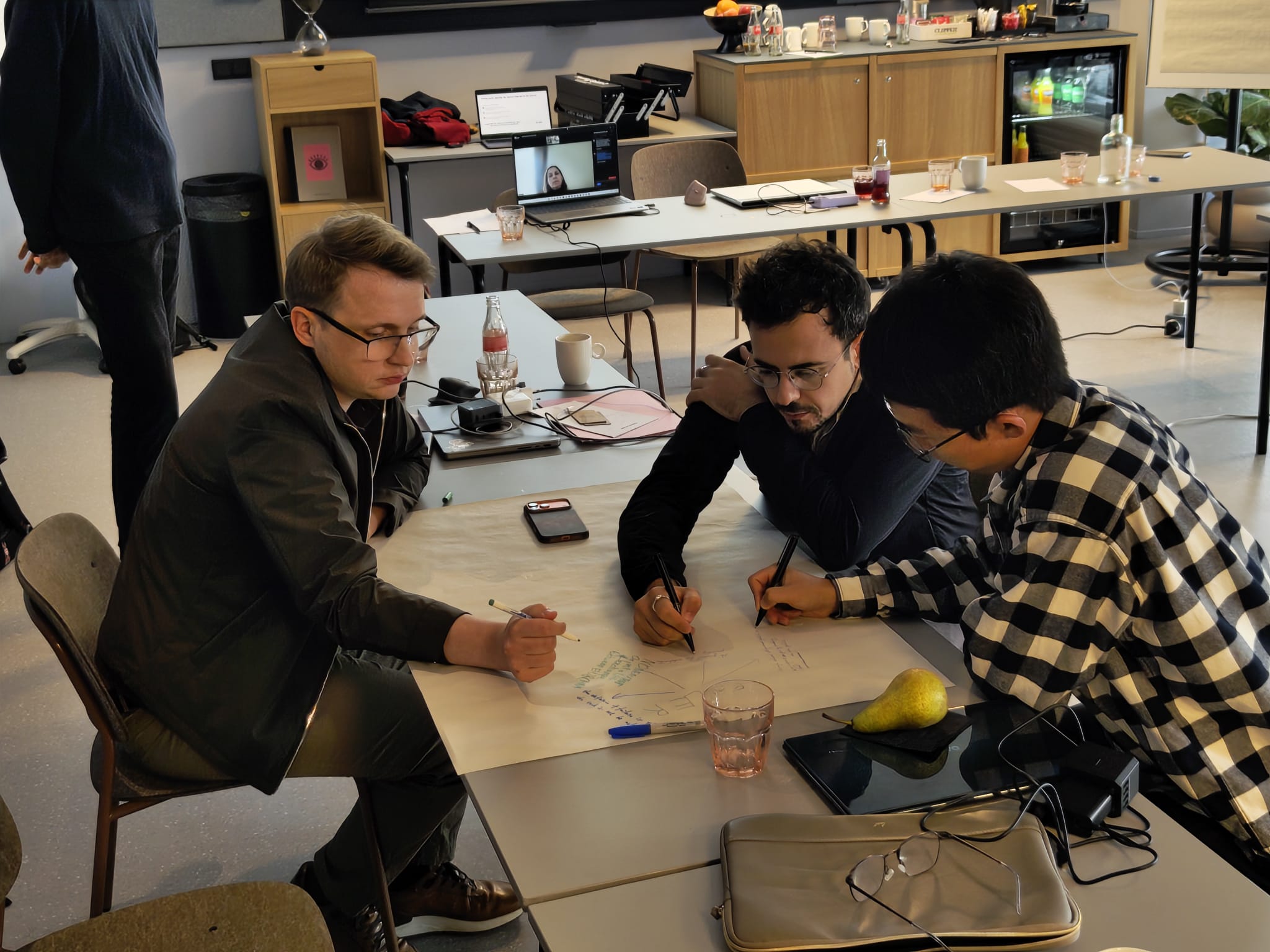
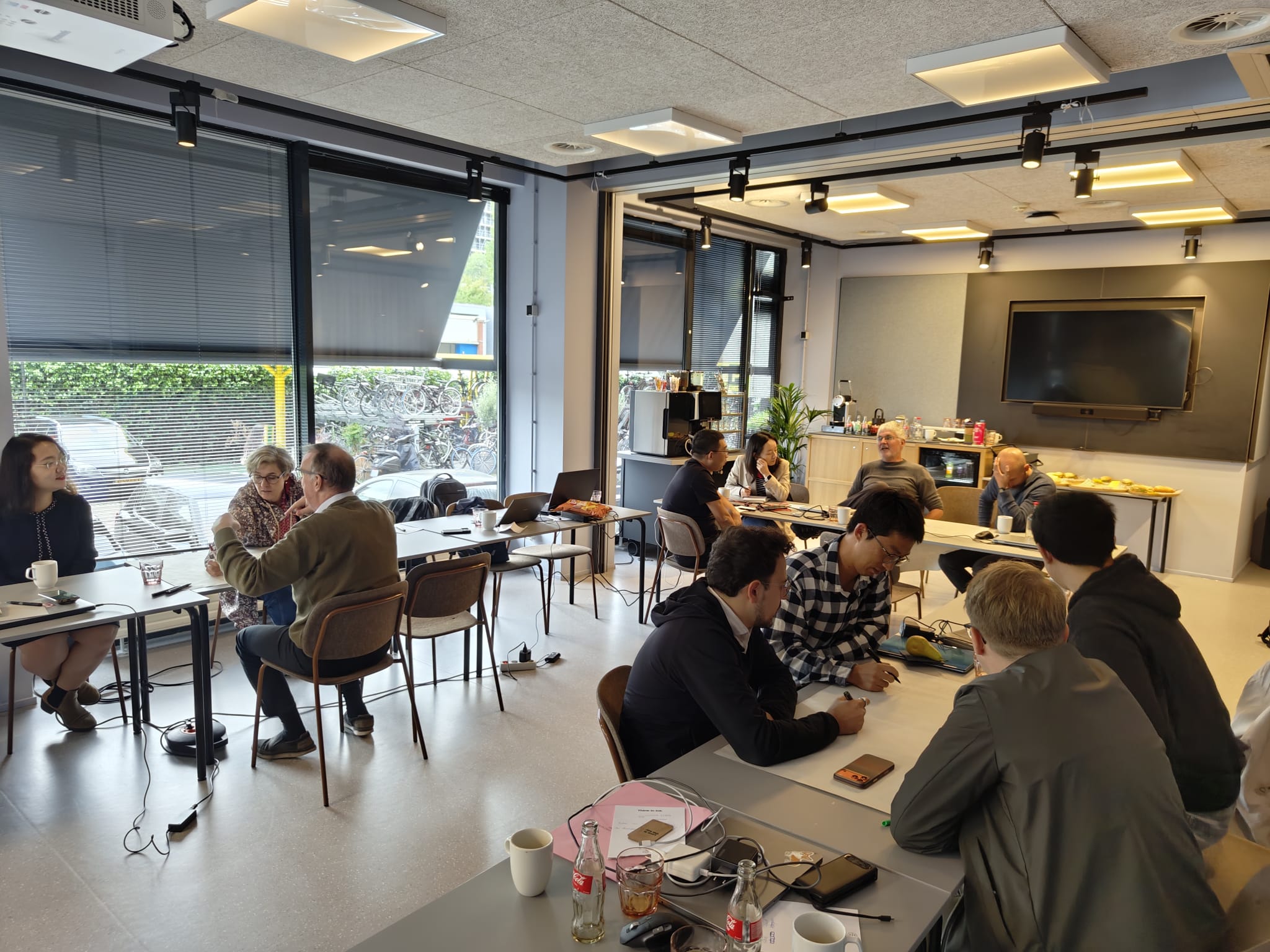
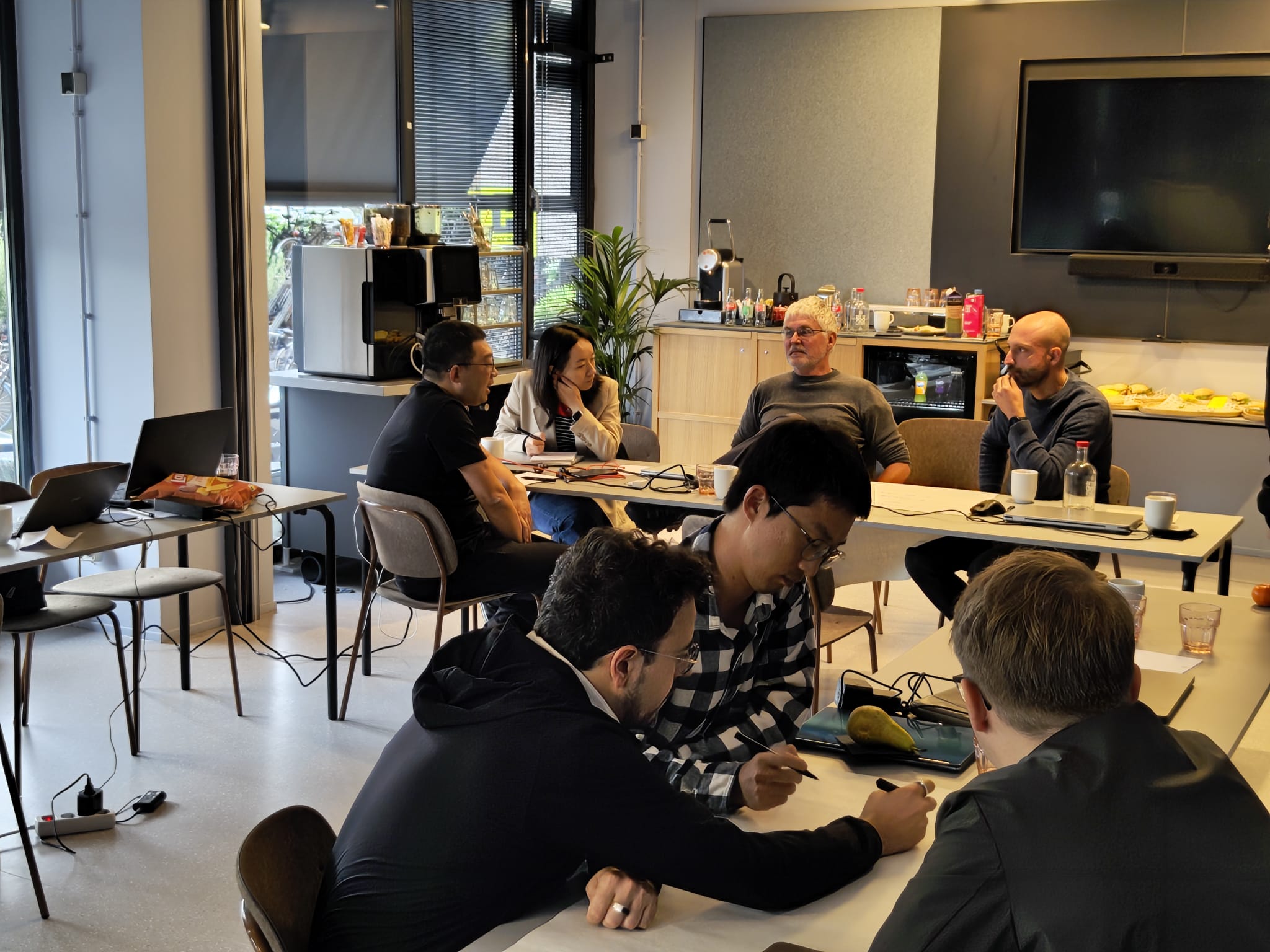
Image Not Found! Try Again